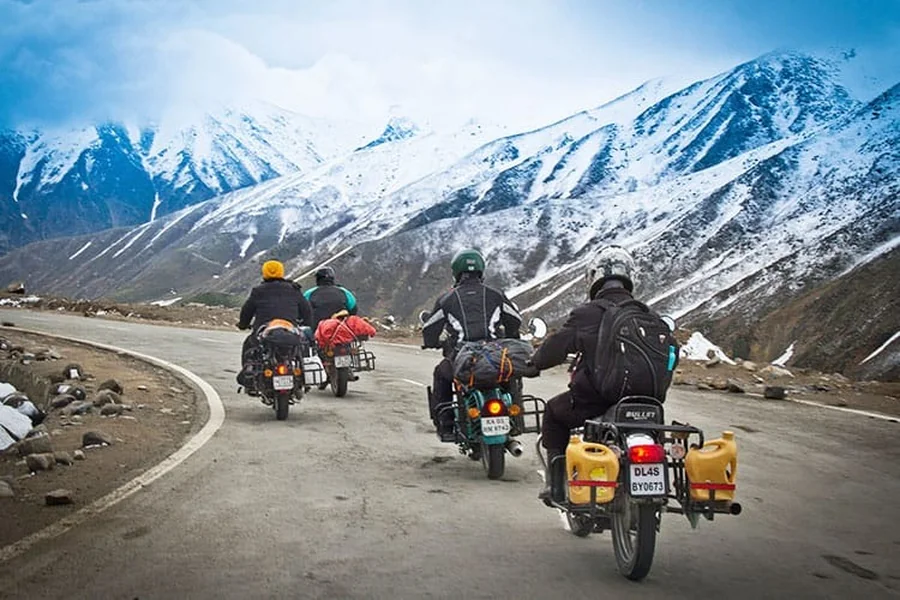
Nepal is one of the most rewarding countries in South Asia for motorcycle travel. From smooth highways and winding hill roads to high-altitude passes and open Terai plains, every ride here feels different. For riders planning long-distance touring in Nepal, preparation matters as much as passion. A well-planned tour lets you enjoy the journey, not just endure it.
This guide breaks down practical tips to help riders prepare for Nepal’s diverse terrains, weather changes, and road conditions, while keeping the experience safe, comfortable, and memorable.
Understanding Nepal’s Touring Terrains
One of the biggest attractions of long-distance touring in Nepal is the variety. Within a single trip, you may ride through multiple landscapes.
Mountain and hill roads dominate much of the country. These roads are narrow, twisty, and often steep, demanding steady throttle control and good braking habits. Highways connecting major cities are improving every year, but you’ll still encounter broken patches and traffic bottlenecks. In contrast, the Terai region offers flatter, straighter roads where cruising is easier, but heat and dust can be challenging.
Knowing what lies ahead helps riders plan fuel stops, riding hours, and daily distances more realistically.
Choosing the Right Motorcycle for Touring
The right motorcycle can transform your touring experience. For long-distance touring in Nepal, riders need a bike that balances power, comfort, and reliability.
Motorcycles like the Dominar and Pulsar touring variants are popular among riders in Nepal for their ability to handle mixed terrain. A stable chassis, comfortable riding posture, and strong mid-range performance make a big difference on long climbs and highway stretches alike. Equally important are service support, spare parts availability, and fuel efficiency, factors that matter when you are far from major cities.
Riders often prefer bikes supported by Bajaj Auto Nepal due to wide service coverage and proven reliability across varied road conditions.
Essential Riding Gear for Nepal’s Conditions:
Good riding gear is not optional; it’s essential. The weather can change quickly, especially in the hills.
- Full-face helmet with ventilation helps protect against wind, dust, and sudden rain while keeping the rider comfortable on long hours of riding.
- Riding jackets with built-in armour offer protection during falls and reduce strain on the body over extended distances.
- Protective gloves improve grip, shield hands from weather exposure, and help minimise fatigue.
- Sturdy riding boots provide ankle support and protection on uneven roads and during stops.
- Layered clothing works best for long-distance touring in Nepal, allowing riders to adjust easily to changing temperatures from mornings and afternoons to high-altitude zones.
Rain liners or waterproof outer layers are strongly recommended, even during dry seasons.
Preparing Your Bike Before the Ride
Mechanical preparation reduces the risk of breakdowns mid-tour.
Before starting long-distance touring in Nepal, check:
- Engine oil and coolant levels
- Brake pads and brake fluid
- Chain condition and lubrication
- Tyre tread depth and air pressure
- Lights, indicators, and horn
Carrying basic tools, spare cables, puncture kits, and a portable air pump can save hours on remote roads. A well-maintained motorcycle not only performs better but also reduces rider stress.
Planning Routes and Daily Distances
Nepal rewards patience. Trying to cover too much distance in one day often leads to fatigue and rushed riding.
For long-distance touring in Nepal, plan shorter daily targets, especially in hilly regions. Roads may look short on maps, but take longer due to curves, traffic, and occasional landslides. Starting early in the morning helps avoid fog, traffic congestion, and late-evening fatigue.
It’s also wise to keep buffer days in your itinerary for weather delays or rest.
Riding Techniques for Mixed Terrain
Each terrain demands a slightly different riding style.
On mountain roads, maintain smooth throttle control and use engine braking during descents. On highways, keep a steady cruising speed and remain alert for sudden lane changes by buses and trucks. In the Terai, watch for animals, slow-moving vehicles, and dust patches that reduce visibility.
Good riding habits are central to enjoying long-distance touring in Nepal without unnecessary risks.
Managing Fuel, Food, and Hydration
Fuel stations are common on highways but less frequent in remote hill areas. Always refuel when the opportunity arises. Carrying a small emergency fuel bottle can be helpful on longer stretches.
Equally important is rider health. Stay hydrated, eat light meals, and take short breaks every couple of hours. Fatigue can affect judgment and reaction time, especially during long-distance touring in Nepal.
Weather Awareness and Seasonal Planning
Weather plays a major role in touring success. The best seasons for long-distance touring in Nepal are spring and autumn, when roads are clearer, and temperatures are moderate.
During the monsoon, landslides and slippery roads increase risks. Winter riding in higher altitudes can bring cold winds and fog. Always check local weather forecasts and talk to locals before heading into unfamiliar regions.
Respecting Local Culture and Riding Responsibly
Nepal’s roads pass through villages, towns, and sacred landscapes. Riding responsibly means slowing down in populated areas, respecting local customs, and helping fellow travellers when possible.
Responsible riding builds positive experiences for both riders and communities, and ensures that long-distance touring in Nepal remains welcoming for everyone.
Long rides across Nepal are not just about distance, they’re about discovery. With the right motorcycle, proper preparation, smart route planning, and respect for changing conditions, long-distance touring in Nepal becomes an unforgettable adventure. Every curve, climb, and straight stretch adds a new chapter to your journey, making the road as rewarding as the destination itself.
FAQs:
Is Nepal good for long motorcycle tours?
Yes, Nepal offers diverse terrains, scenic routes, and a strong riding culture.
What is the best season for long rides in Nepal?
Spring and autumn are ideal for long-distance touring in Nepal.
Do I need special riding gear for Nepal?
Yes, protective gear and weather-ready clothing are highly recommended.
Can beginners try long-distance touring in Nepal?
Yes, with proper planning, moderate routes, and a suitable motorcycle.
How important is bike maintenance before touring?
Very important, proper maintenance reduces breakdown risks and improves safety.