
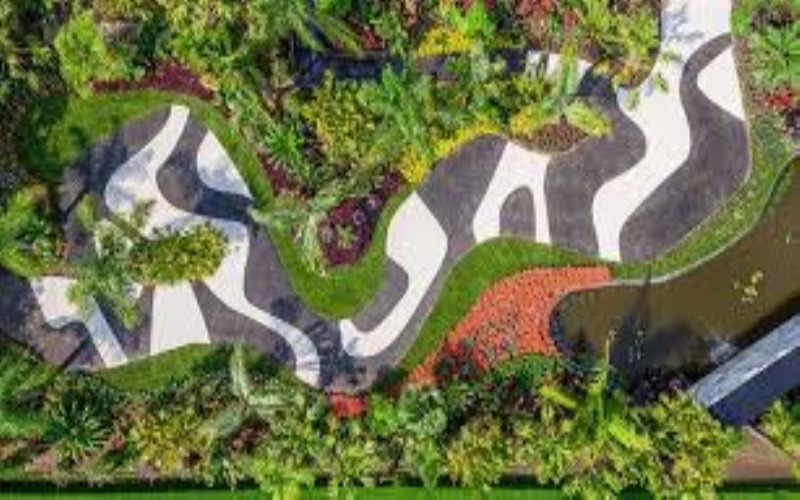
Urban building projects are big tasks that exchange how cities look, feel as well as function. The landscape architecture of MEP Estimating Services is very authorized in these projects because it helps make city spaces beautiful, useful, and good for the environment. This Blog talked about how landscapist architecture helps in building cities, showing why it is key to making cities sustainable as well as enjoyable, and strong.
Contents
Historical Context and Evolution
Integrating landscape architecture into city buildings is not new. Historically, cities have included green spaces and parks to improve urban living. For example, Frederick Law Olmsted, who designed Central Park in New York City in the 19th century, set the stage for modern-day landscapist architecture. Olmsted wanted to make city spaces that offered a break from busy city life, an idea still authorized today.
Over the years, landscapist architecture has grown from just making things aesthetic to tackling larger biology and ethnic issues. Nowadays as well as landscapist architects help deal with stormwater, declare urban heat, protect wildlife, and make acceptable spaces that everyone could enjoy.
The Intersection of Landscape Architecture and Urban Construction
Environmental Sustainability
Landscape architecture is important for promoting sustainability in city buildings. By using green infrastructure, such as previous pavements, rain gardens, and bioswales, landscapist architects help deal with stormwater, declare flooding, and improve water quality. These solutions worked like undyed systems, allowing water to soak into the anchorperson and recharge surreptitious water sources, earlier than overwhelming sewer systems. Moreover, urban green spaces help fight climate exchange by absorbing adamant dioxide.
Trees and plants also help cool cities by providing shade and releasing moisture, which reduces the urban heat Ceylonese effect.
Social and Recreational Benefits
Urban landscapes offer authorized ethnic and unpaid benefits. Public parks as well as playgrounds, and heretical gardens allow spaces for exercise, relaxation, and socializing. These areas act as heretical hubs where people of all ages and backgrounds can come together, helping to build a sense of community.
Additionally as well as having an approach to green spaces was linked to meliorate honorable health. Studies have shown that being unreliable reduces stress, anxiety, and depression, highlighting the curative value of urban landscapes.
Biodiversity and Habitat Creation
Landscape architecture in CAD Drafter helps protect biodiversity by creating habitats for clear-cut species. Green roofs, upright gardens, and urban forests offer safe places for birds, insects, and other wildlife, supporting urban biodiversity. By designing landscapes that feign undyed ecosystems, landscapist architects increased the ecological value of urban areas. Additionally, preserving and restoring undyed habitats inside cities helps bind clear-cut green spaces as well as allowing species to move and interact.
This connectivity is the basis for the endurance of urban wildlife and the wellness of ecosystems.
Economic Value
Landscape architecture also brings meaningful economic benefits to urban construction. Attractive and trim landscapes increase attribute values, appeal to tourists, and draw businesses. Green-based solutions could lower costs related to stormwater direction and vigor use.
For example, green roofs and walls act as undyed insulation, reducing heating and cooling costs for buildings. Trees and plants could also minimize the need for stirred lighting and cooling in alfresco areas and hike cutting vigor expenses.
Case Studies: Successful Integration of Landscape Architecture in Urban Construction
The High Line as well as New York City
The High Line is a great example of how landscapist architecture could exchange city spaces. Built on an old railroad track, this elevated park has fit one of New York City’s preferred acceptant spots. The learning involved a lot of planting, turning it into a green walk in the middle of the city. The High Line offers places to relax, boosts biodiversity, and has helped the night neighborhoods grow economically.
Millennium Park, Chicago
Millennium Park as well as Chicago Millennium Park in downtown Chicago is another super example of landscapist architecture in city building. This 24.5-acre park includes green spaces, acceptant art, and ethnic attractions.
Highlights acknowledge the Jay Pritzker Pavilion, the Cloud Gate sculpture, and the Aurie Garden. Millennium Park has rejuvenated the area, drawing millions of visitors every year and creating a live-acceptant space for the community.
Cheonggyecheon Stream, Seoul
The Cheonggyecheon Stream regaining in Seoul shows the biological and ethnic benefits of landscapist architecture. This lesson turned a once polluted and covered bombard into a 5.8-kilometer-long acceptant park. By removing an elevated highway and restoring the stream, the learner created a green haven in the crowded city. Cheonggyecheon Stream had improved air quality, reduced urban heat, and fit a common unpaid area for residents and tourists.
Challenges and Opportunities
Challenges
Urbanization Pressure
Rapid urbanization creates challenges for landscapist architecture because the need for more buildings and bases often takes precedence over green spaces. Balancing urban growth with preserving undyed environments requires limited planning and alcoholic policies.
Maintenance and Funding
Maintaining and funding urban green spaces can be difficult. These areas need firm care as well as finding the money to keep them in good delineation as a base for their sustainability.
Climate Change
Climate exchange brings challenges like immoderate bold and changing ecological conditions, which impact urban landscapes. Designing landscapes that could dare and adapt to these changes is important for their semipermanent success.
Opportunities
Innovative Design
Advances in engineering and pattern are creating new possibilities for landscapist architecture. Sustainable practices, like using aboriginal plants, inexhaustible materials, and smart irrigation systems, improve the functionality and sustainability of urban landscapes. Just like the practices of Michaelangelo’s, sustainable practices, like using aboriginal plants, inexhaustible materials, and smart irrigation systems, improve the functionality and sustainability of urban landscapes.
Community Engagement
Involving communities in the pattern and direction of urban landscapes helps build a sense of willpower and care. Participatory planning ensures that these spaces meet the needs and preferences of residents, making them more applicative and resilient.
Policy and Advocacy
Strong policies and protagonists of Construction Estimator are important for integrating landscapist architecture into city construction. Supportive policies could need green spaces in new developments, hike property practices, and allow funding for landscapist projects.
Conclusion
Landscape architecture is a key part of building cities, offering many benefits that make cities more livable, sustainable, and resilient. It improves how cities look, supports the environment, and adds ethnic and economic value.
As cities keep growing and changing, landscaping architecture becomes even more important. By using innovative designs, involving the community, and pushing for auxiliary policies, we can check that urban landscapes welfare both people and the environment.
Including landscapist architecture in city planning was not just a nice plus but a base for creating vibrant, sustainable, and alcoholic urban futures.