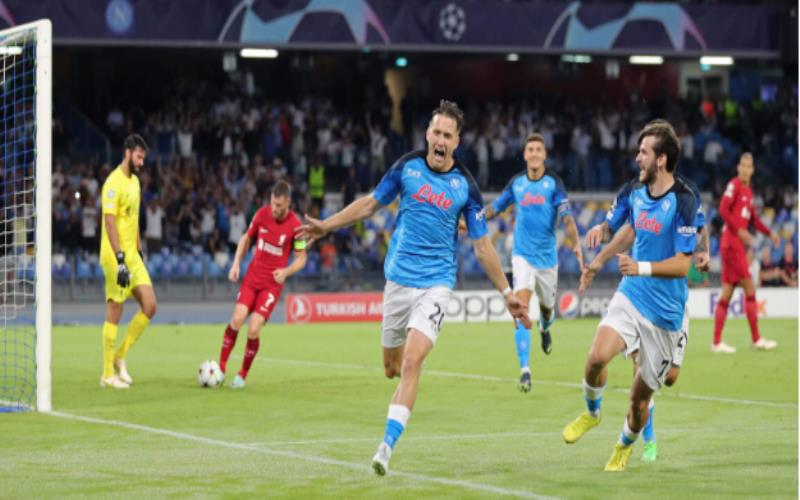
Football, often referred to as the beautiful game, is as much about the teams as it is about the players. Over the decades, we have witnessed the dominance of iconic football dynasties that have shaped the sport’s history. These dynasties often rise to glory, capturing the hearts of millions with their unparalleled performances, only to later experience a decline that serves as a stark reminder of the cyclical nature of sports. Whether it’s clubs or national teams, these dynasties hold an irreplaceable place in football lore. To stay updated with live matches and experience the thrill of football dynasties in action, check out Xoilac TV.
What Defines a Football Dynasty?
A football dynasty is characterized by sustained dominance over a significant period, often marked by consecutive titles, record-breaking achievements, and a roster of iconic players. These teams not only set benchmarks for success but also create legacies that inspire generations. Dynasties thrive on strong management, visionary coaches, and an unwavering commitment to excellence. However, maintaining this level of dominance is a challenge, as football is inherently unpredictable.
The Rise: Hallmarks of Success
Strategic Vision and Leadership
The foundation of any great football dynasty lies in its leadership. Clubs like Real Madrid during their five consecutive European Cup victories (1956-1960) or FC Barcelona’s dominance under Pep Guardiola (2008-2012) are prime examples. Visionary managers, coupled with supportive club owners, ensure long-term planning, tactical innovation, and a robust youth development system.
Player Cohesion and Star Power
Dynasties often boast a core group of players who exemplify teamwork while also featuring stars who shine on the global stage. The Brazilian national team of the 1958-1970 era, featuring Pelé, set the standard for international dominance. Similarly, Manchester United’s reign under Sir Alex Ferguson relied on a balance between homegrown talent like Ryan Giggs and global superstars like Cristiano Ronaldo.
Tactical Brilliance
Tactical evolution is another hallmark of successful dynasties. Johan Cruyff’s “Total Football” philosophy revolutionized the sport during his time at Ajax and later at FC Barcelona. Tactical adaptability allows teams to outsmart opponents, setting them apart during their peak years.
The Fall: Why Dynasties Decline
Complacency and Over-Reliance on Stars
One of the primary reasons for the fall of football dynasties is complacency. Success breeds comfort, which can lead to a decline in hunger and competitiveness. Additionally, over-reliance on star players often leaves a team vulnerable once those players retire or move on. For instance, AC Milan’s dominance in the late 1980s and early 1990s waned when their iconic players aged.
Financial Instability
Financial mismanagement has been the downfall of many clubs. The rapid rise of clubs like Parma in the 1990s, followed by their financial collapse, is a stark reminder of how monetary issues can derail a dynasty.
Competition and Evolution
Football is a constantly evolving sport, and new challengers emerge with innovative strategies and fresh talent. The decline of Liverpool’s dominance in the 1980s coincided with the rise of Sir Alex Ferguson’s Manchester United. This competition often signals the end of one dynasty and the beginning of another.
Iconic Dynasties: A Closer Look
Real Madrid (1950s)
Real Madrid’s dominance in the 1950s, led by Alfredo Di Stéfano and Ferenc Puskás, remains unparalleled. The club’s five consecutive European Cup victories set a standard for continental supremacy that few have matched.
Brazil National Team (1958-1970)
Brazil’s golden era under Pelé saw them win three World Cups, showcasing a unique blend of skill, flair, and tactical discipline. Their influence on global football remains profound.
FC Barcelona (2008-2012)
Under Pep Guardiola, Barcelona redefined football with their “tiki-taka” style, winning numerous La Liga and Champions League titles. The team, led by Lionel Messi, Xavi, and Iniesta, is often regarded as one of the greatest club sides ever.
Manchester United (1990s-2000s)
Sir Alex Ferguson’s Manchester United dominated English football, winning 13 Premier League titles and two Champions League trophies. Their consistency and ability to adapt ensured their longevity.
Lessons Learned from the Fall
The decline of iconic football dynasties serves as a reminder of the sport’s competitive nature. Clubs and nations must continuously innovate, invest in youth development, and adapt to the evolving landscape. The end of one dynasty often paves the way for another, ensuring the sport’s dynamic appeal.
The Role of Fans in Dynasties
Fans play a crucial role in the rise and fall of dynasties. Their unwavering support provides teams with a psychological edge, while their criticism can push management to make necessary changes. Dynasties often leave a lasting legacy, with their stories told through generations of football enthusiasts.
Conclusion
The story of football dynasties is one of triumph, challenge, and eventual reinvention. These teams capture the essence of what makes football a global phenomenon: passion, strategy, and the unyielding pursuit of excellence. To relive the magic of iconic football dynasties and enjoy live matches, visit xôi lạc bóng đá trực tiếp. The rise and fall of these dynasties remind us that while success may be temporary, the memories they create last forever.