
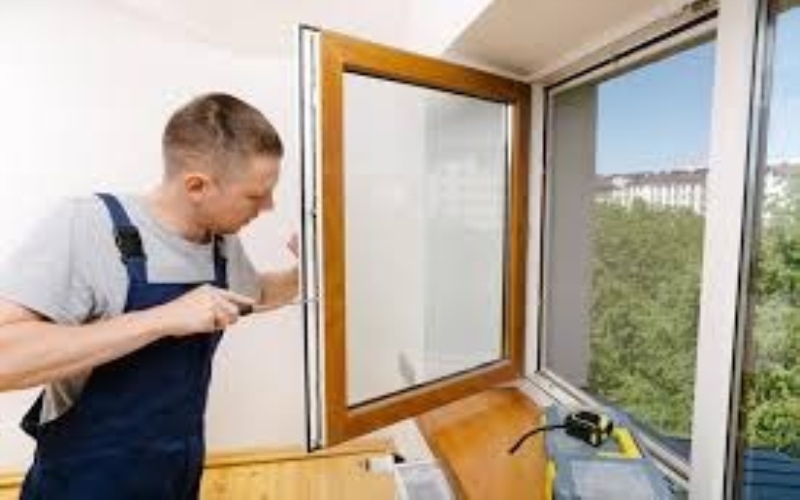
Window replacement is a significant home improvement project influencing a property’s overall value. Beyond enhancing aesthetics and energy efficiency, new windows can substantially impact a home’s marketability. Considering immediate and long-term financial implications, we will explore how window replacement affects home value. Understanding these effects can help homeowners make informed decisions about investing in new windows and evaluating potential returns.
Contents
Enhancing Curb Appeal
One of the primary benefits of window replacement is the improvement in curb appeal. You can ask Maverick Windows experts the exterior appearance of a home plays a crucial role in its market value. New windows can refresh the look of a property, making it more attractive to potential buyers. Aesthetic upgrades, including modern or architectural windows, can give a home a contemporary feel and enhance its overall visual appeal. These changes are often noticed first by prospective buyers during property viewings. Enhanced curb appeal attracts more interest and can lead to higher offers. As a result, investing in new windows can be an effective strategy for increasing a home’s attractiveness and, consequently, its value.
Boosting Energy Efficiency
Window replacement can significantly impact a home’s energy efficiency, affecting its market value. Modern windows often have advanced features such as double or triple glazing, low-E coatings, and gas fills that reduce heat transfer and improve insulation. By improving energy efficiency, homeowners can lower their utility bills, an attractive feature for potential buyers. Energy-efficient windows help maintain indoor comfort and reduce heating and cooling costs, making the home more appealing to energy-conscious buyers. This energy savings potential can translate into higher property values, as buyers are willing to pay more for homes with lower long-term operational costs.
Increasing Property Value
Replacing windows can directly contribute to an increase in property value. While the initial cost of window replacement can be substantial, it is often offset by the potential increase in home value. Real estate studies have shown that homeowners can recover a significant portion of the window replacement cost when selling their property. This return on investment is particularly notable in markets where energy efficiency and modern aesthetics are highly valued. By investing in high-quality, energy-efficient windows, homeowners can enhance their property’s marketability and command a higher price in the real estate market.
Long-Term Return on Investment
The return on investment (ROI) for window replacement projects can vary based on several factors, including the quality of the windows installed, the local real estate market, and the home’s overall condition. Generally, high-quality windows offer better returns. Investing in energy-efficient and aesthetically pleasing windows can yield higher returns than basic or lower-quality options. Additionally, the local real estate market can influence the ROI. In regions where energy efficiency and modern upgrades are highly sought after, the financial benefits of window replacement may be more pronounced. Homeowners should evaluate their specific market conditions to assess the potential ROI from such a project.
Impact on Home Selling Time
New windows can also affect the time it takes to sell a home. Homes that have recently undergone window replacement may sell faster than those with older or outdated windows. Prospective buyers often view newly replaced windows as a sign of a well-maintained property, making the home more appealing and reducing its time on the market. This is especially true in competitive real estate markets where buyers want move-in-ready homes with modern features. By investing in new windows, homeowners can expedite the selling process and achieve a quicker sale, which is advantageous in fast-moving property markets.
Considerations for Choosing Window Styles
When selecting new windows, homeowners should consider style and functionality to maximize the financial benefits. The choice of window style can influence how much value the replacement adds to the home. For instance, energy-efficient windows with modern designs or custom shapes may offer a higher return on investment than standard models. Additionally, homeowners should consider the architectural style of their home to ensure that the new windows complement its design. Matching the window style to the home’s overall look can enhance its visual appeal and contribute positively to its market value.
Cost vs. Value Analysis
Before proceeding with window replacement, homeowners should conduct a cost vs. value analysis to determine if the investment aligns with their financial goals. This analysis involves comparing the cost of the window replacement project with the potential increase in home value. Homeowners can use online calculators or consult real estate professionals to estimate the expected ROI. It’s essential to consider factors such as the quality of materials, installation costs, and market conditions. By carefully evaluating these aspects, homeowners can decide whether window replacement is financially viable for enhancing their property’s value.
Window replacement can significantly impact a home’s value through enhanced curb appeal, improved energy efficiency, and increased marketability. The potential return on investment varies based on the quality of the windows, local real estate conditions, and overall property maintenance. By understanding the financial implications of window replacement, homeowners can make strategic decisions that contribute to their property’s long-term value and marketability. Whether for personal enjoyment or as part of a broader strategy to boost property value, investing in new windows can be worthwhile with substantial financial benefits.